SuperNet Networks Home

Category

Technology Strategy

7 articles

The Hidden Productivity Tax: How Skill Mismatches in Your Network Team Are Draining Six Figures Annually

The Hidden Productivity Tax: How Skill Mismatches in Your Network Team Are Draining Six Figures Annually

Most organizations diagnose their network talent problem as a hiring shortage, but the more costly issue is already sitting inside their IT departments. Misaligned capabilities, undertrained staff, and unaddressed knowledge gaps in domains like SD-WAN and network automation quietly erode operational performance—often to the tune of half a million dollars or more each year. Here is how to identify the problem and fix it without waiting for the perfect hire.
Cloud Sprawl and the Fractured Network: How Multi-Cloud Adoption Is Quietly Undermining Your Infrastructure

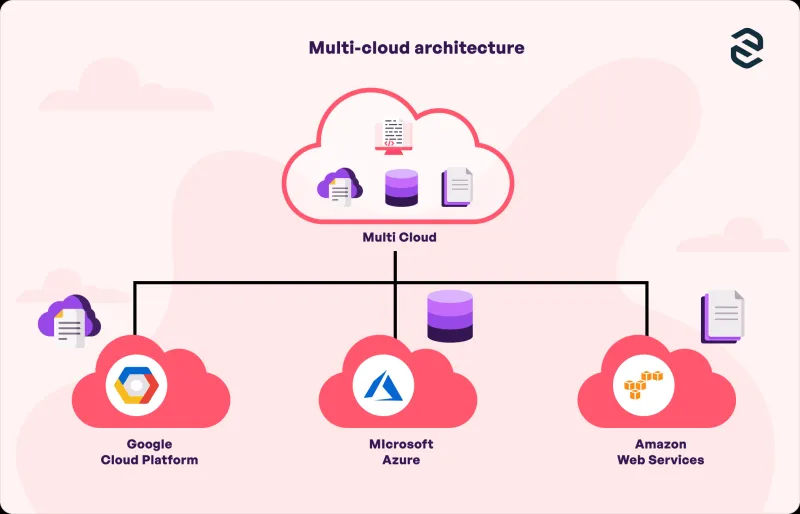
Cloud Sprawl and the Fractured Network: How Multi-Cloud Adoption Is Quietly Undermining Your Infrastructure

As businesses layer cloud platforms without a cohesive networking plan, their infrastructure fragments into disconnected silos that erode visibility, inflate costs, and create serious operational risk. Understanding why this happens—and what a unified network backbone actually looks like—is now one of the most pressing strategic decisions IT leaders face. This article examines the anatomy of cloud sprawl and the architectural remedies that forward-thinking enterprises are deploying today.

When Cloud Strategy Outpaces Network Reality: The Hidden Architecture Problem Costing Businesses Millions

When Cloud Strategy Outpaces Network Reality: The Hidden Architecture Problem Costing Businesses Millions

Adopting multiple cloud platforms without rethinking the underlying network is one of the most expensive mistakes mid-market businesses make today. Bottlenecks, security vulnerabilities, and runaway costs are the predictable result of a strategy built on infrastructure that was never designed to support it. Here is what alignment actually looks like—and what misalignment costs.

Your AI Initiative Is Built on a Crumbling Foundation: What Legacy Networks Are Costing You

Enterprises across the US are pouring capital into artificial intelligence and machine learning programs, only to watch performance disappoint and timelines slip. The culprit is rarely the AI itself — it is the aging network infrastructure underneath it. Understanding precisely where traditional architectures break down under AI workloads is the first step toward protecting those investments.

Why Your Network Segmentation Strategy Is a False Sense of Security—And What Real Protection Looks Like

Thousands of US businesses have implemented network segmentation and believe they are protected. Many are not. Incomplete segmentation, misconfigured access controls, and a failure to account for modern IT environments have turned a legitimate security strategy into something closer to theater. This article examines where organizations go wrong and offers a practical framework for doing it right.

Milliseconds That Multiply: The True Business Cost of Network Latency

Network latency is rarely the first line item on a CFO's radar, yet its compounding effects quietly erode revenue, productivity, and customer loyalty across every layer of enterprise operations. From sluggish cloud applications to degraded customer-facing platforms, the financial damage accumulates long before it appears on any dashboard. Understanding how to measure and address latency is no longer optional for businesses serious about competitive performance.

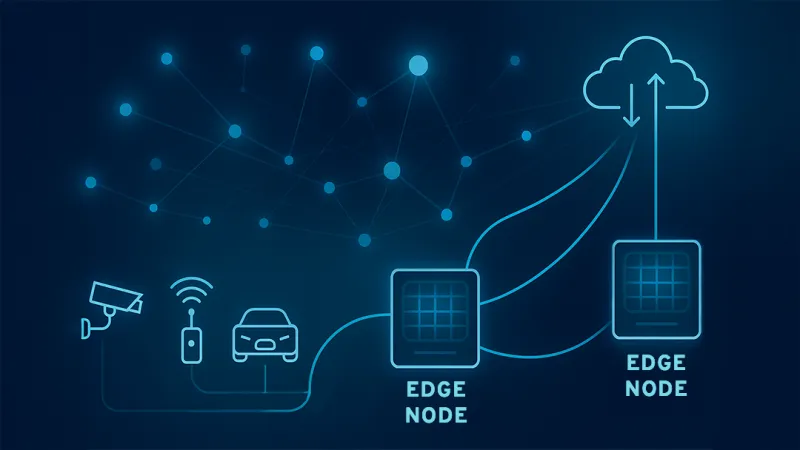
Edge Computing Is Already Here — And Most Business Networks Aren't Ready for It

Edge Computing Is Already Here — And Most Business Networks Aren't Ready for It

The conversation around next-generation networking has been dominated by 5G for the better part of a decade. But the more consequential transformation in enterprise connectivity is happening at the edge — closer to the devices, the data, and the decisions that drive modern business operations. IT leaders who begin planning for edge-native infrastructure today will hold a significant architectural advantage over those who wait for the technology to fully mature.